Telemedicine Wound Care for Nursing Homes: Care Delivery Guide
Telemedicine wound care for nursing homes can connect a resident's bedside team with a remote clinician while keeping hands-on assessment and care in the facility. A dependable workflow defines who examines the resident, how images and observations are shared, what belongs in the record, and when an in-person assessment is needed.
This guide is for nursing home leaders and clinical teams evaluating remote care. It focuses on workflow design, not wound treatment instructions. A remote encounter can support communication and clinical decision-making, but it does not replace bedside staff, a hands-on examination when needed, or the judgment of the clinician responsible for the resident.
What role can telemedicine play in nursing-home wound care?
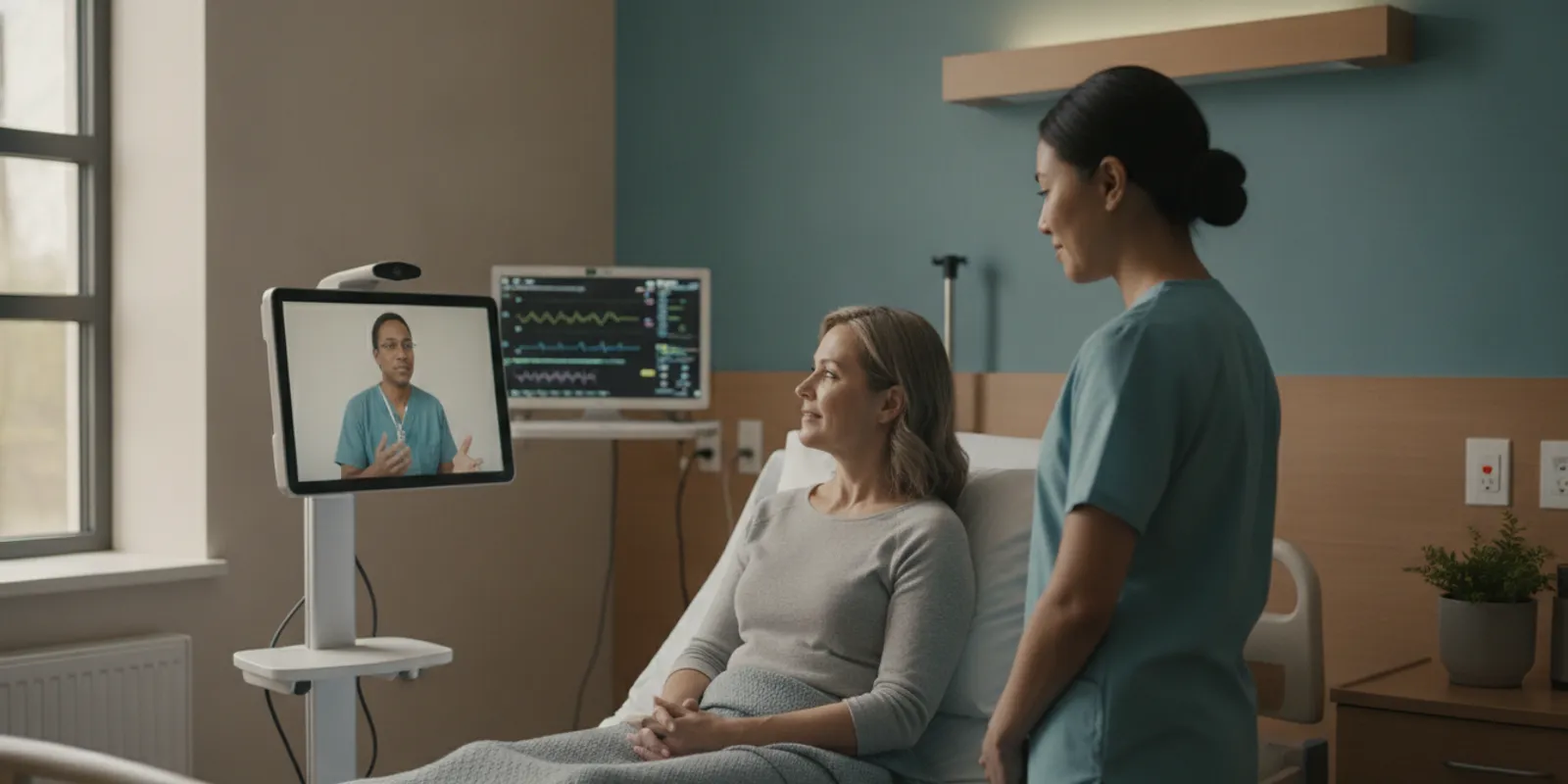
Wound care often involves repeated observation, communication across roles, and coordination with clinicians who may not be physically in the building. Telemedicine can create a live connection between a resident, an on-site team member, and an off-site clinician. Depending on the care plan and the available tools, that encounter may help the clinician review the resident's reported history, hear the bedside team's observations, view appropriate images, and decide what should happen next.
The remote clinician does not become the only person responsible for assessment. On-site staff remain important for preparing the resident, assisting with positioning and examination as appropriate, reporting what they observe, and carrying out actions assigned to them within their role. A remote clinician may also determine that a video encounter is insufficient and request further examination or another level of care.
Telemedicine is most useful when the facility makes this division of responsibility explicit. Before launching a workflow, leadership should identify which residents and situations it is meant to support, who can request an encounter, what information the clinician needs, and how recommendations will be communicated and followed through.
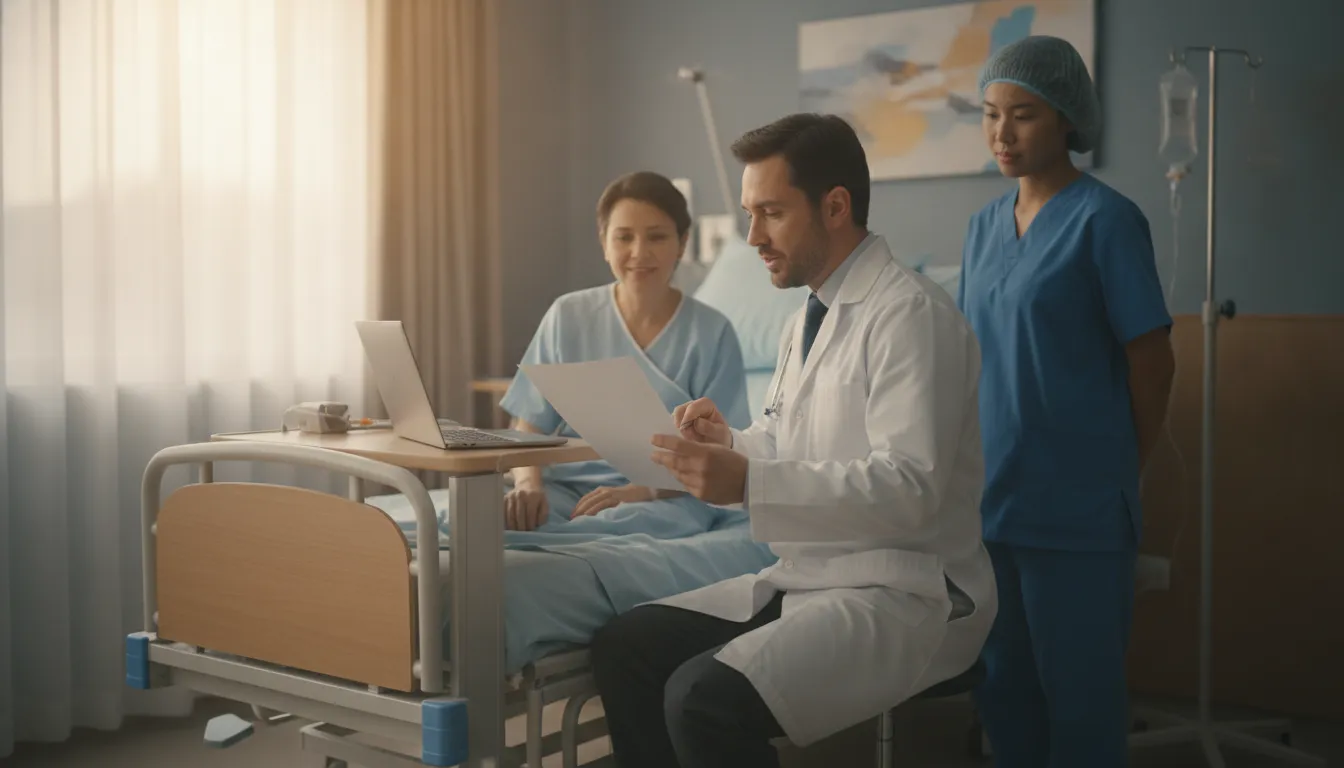
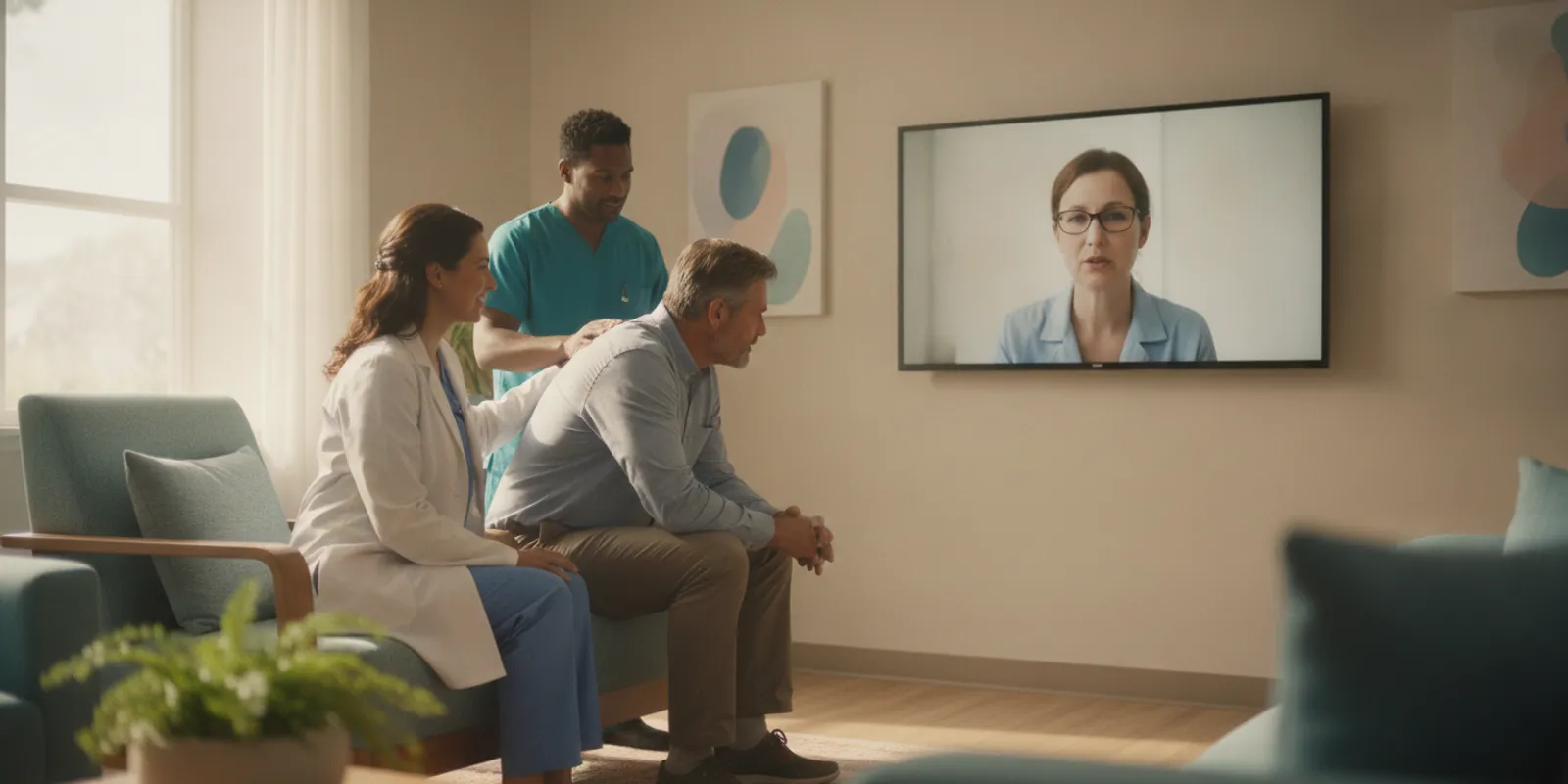
Wound care may involve the resident's attending clinician, nursing staff, a wound-care specialist, and other professionals selected by the care team. Remote access can help those participants discuss a review, but it does not decide who is clinically responsible or guarantee that a specialist is available. Define who requests specialist input, how relevant records reach that clinician through approved channels, and who incorporates recommendations into the resident's plan. Make sure residents and representatives are included in communication as appropriate to the care plan and facility process.
Which parts of the wound-care workflow should teams map first?
Start with the steps that already happen in the facility. Mapping the existing process helps a team see where remote input could fit without creating a second, disconnected documentation or communication pathway.
- Identify the trigger. Agree on how staff should request a remote review under facility policy and the resident's care plan. A change noticed during routine care, a scheduled review, or a question from the bedside team may lead to a request, but the facility's clinical protocols determine the appropriate triggers.
- Confirm the people involved. Name the staff member who will assist at the bedside, the clinician joining remotely, and the person responsible for receiving and acting on the plan. Clarify who can be included in the encounter, including a specialist or other member of the care team when appropriate.
- Prepare relevant information. Gather the resident's pertinent history, current care plan, recent observations, medication or allergy information when relevant to the clinician's review, and prior documentation available through approved channels. Share only information needed for the encounter and follow facility privacy procedures.
- Set up the resident and connection. Explain the purpose of the visit in an accessible way, follow consent and privacy procedures, and arrange a suitable space and device. The bedside team should know how to get the clinician's attention and what to do if the connection fails.
- Close the loop. Record the encounter and its outcome in the designated record, assign next steps to named roles, and confirm that follow-up or escalation has occurred.
These steps can be written into a short workflow checklist and reviewed with nursing, clinical leadership, operations, and the remote-care partner. For background on how Dr. Temi approaches autonomous clinical care solutions, facility leaders can review the platform overview alongside their own clinical protocols.
How should staff prepare images and bedside observations?
Images can help a remote clinician understand what staff are seeing, but an image is only one part of an assessment. The team should decide in advance whether images are appropriate for a particular encounter, who may capture them, which approved device and transfer method to use, and where the images belong in the resident's record. Do not assume that a video call or a telepresence platform automatically captures, stores, or integrates wound images.
When image capture is permitted and clinically requested, staff should follow facility policy and the clinician's instructions. Practical preparation may include checking that the image is in focus, has adequate lighting, and shows the area from a useful view. A consistent approach can make comparison over time easier, but staff should not delay needed care to produce a photograph. If a clear image cannot be obtained, describe the limitation and arrange the assessment the clinician considers appropriate.
A study about wound image quality from a mobile health tool for home care underscores that image quality is a distinct consideration in remote wound review; it does not mean a photograph alone is enough to assess every wound. See the study on wound image quality from a mobile health tool for context.
Alongside an image, staff observations can give the remote clinician important context. Depending on the purpose of the review and local documentation policy, the team might communicate when the area was last assessed, what has changed since the prior review, the resident's reported concerns, and relevant observations made during care. Use the facility's approved terminology and record sources. Do not guess, interpret beyond the staff member's role, or treat an image as a substitute for reporting a change that needs prompt attention.
How can bedside assistance and remote examination work together?
A useful remote encounter is a collaboration, not a camera handoff. The clinician leads the clinical assessment within the limits of the connection. The on-site staff member helps the resident participate, shares observations, and assists with the examination only as appropriate to their training, role, facility policy, and the resident's care plan.
At the start of the session, identify everyone present and confirm that the resident is ready to participate. The clinician can explain what they need to review and ask the bedside team to help with positioning or visibility when appropriate. Staff should be able to tell the clinician if a requested action is uncomfortable, impractical, or outside their role. The clinician can then adapt the encounter or request another form of assessment.
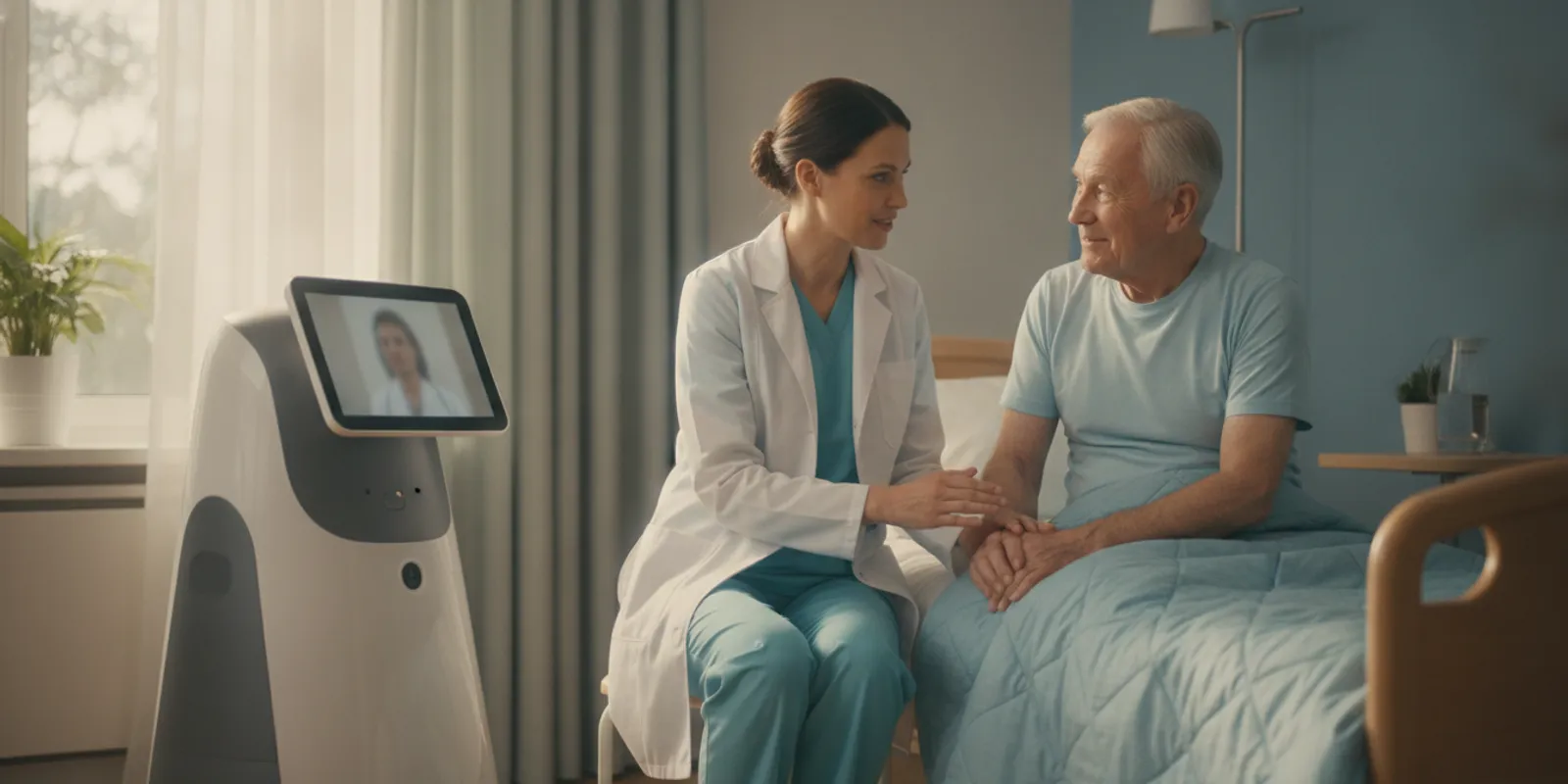
Some telepresence systems can bring a remote clinician to a bedside without a staff member transporting and positioning a cart. Dr. Temi is an autonomous robotic telepresence platform designed to bring a remote physician to the bedside in under five minutes, 24 hours a day. A facility considering it for wound-care workflows should verify during evaluation how the system fits its own examination process, connected equipment needs, privacy procedures, and clinical governance. It should not assume that the platform itself performs wound care or replaces hands-on staff.
For context on how remote wound-related care is discussed in the profession, the Wound, Ostomy and Continence Nursing Certification Board features an educational conversation about telehealth for ostomy and wound care patients. Facilities should use their own policies and clinical leaders to determine whether and how a remote model applies to a specific resident.
When should the team escalate beyond a remote review?
Escalation rules should be set by the facility's clinical leadership and responsible clinicians, not improvised during a technology rollout. A remote encounter is limited by what the clinician can see, hear, and assess through the available connection, as well as the information provided by the bedside team. If the clinician cannot make a sound assessment remotely, they may need to arrange an in-person evaluation or direct the team to another appropriate care setting.
Before launch, define:
- Who the bedside team contacts when a resident needs urgent attention, including when the remote clinician is unavailable.
- How the remote clinician communicates a recommendation that requires timely action, and who confirms receipt.
- What staff should do if video, audio, or image sharing is inadequate.
- How the team documents a recommendation that calls for in-person assessment or a change in the care plan.
- How unresolved questions are handed to the responsible clinician or specialist, with a clear owner and follow-up time set by the care team.
Every participant should know that the technology supports a clinical encounter; it does not make an emergency decision on its own. The facility's existing clinical policies and escalation pathways remain in force. Leaders can learn more about the company and its approach through the Dr. Temi overview, then assess whether the model aligns with local governance requirements.
What should the record include after a remote encounter?
Documentation should make it possible for the next member of the care team to understand what happened and what remains to be done. Follow facility policy, applicable privacy requirements, and the clinician's documentation standards. Teams should agree in advance whether the remote clinician documents directly in the record, provides notes through an approved process, or uses another workflow. Dr. Temi's Clinii partnership supports EHR integration, but a facility should confirm the specific systems and documentation workflow relevant to its implementation.
A facility-defined record may include the date and participants, the reason for the encounter, relevant bedside observations and materials reviewed, limitations of the remote assessment, the clinician's assessment and instructions, the person assigned to each follow-up action, and whether the action was completed. If images are used, follow local rules for consent, capture, transfer, access, retention, and association with the correct resident record. Do not send sensitive images through personal devices or unapproved channels.
The key operational test is continuity: can the staff member taking the next shift find the plan, understand who owns each step, and tell whether the follow-up happened? If not, improve the handoff before expanding the workflow.
How should teams prepare the workflow for launch?
A small, clearly defined use case is easier to evaluate than a broad rollout. Facility leaders can select a workflow with clinical leadership, describe which residents and encounter types it is intended to support, and identify situations that remain outside its scope. The aim is not to route every wound-related question to video. It is to make the approved path clear to staff and residents.
- Assign owners. Identify who approves the workflow, who supports the technology, who answers clinical questions, and who reviews exceptions.
- Practice the handoff. Rehearse how a staff member requests an encounter, introduces participants, shares approved information, receives a plan, and records follow-up.
- Plan for interruption. Set out what staff do if the robot or network is unavailable, a participant cannot join, or the remote clinician cannot adequately assess the situation.
- Review safeguards. Confirm how identity, consent, privacy, access to images and records, and the return of clinical recommendations are handled under facility policy.
Before expanding the workflow, ask staff what was confusing, check whether responsibilities were understood, and revise the written steps. Facilities evaluating the Dr. Temi bedside telepresence platform can use a demo to walk through these operational questions; a demo does not replace clinical, technical, or privacy review.
How do common care-delivery options compare?
There is no single format for every review. The appropriate approach depends on the resident, clinical question, staff availability, facility policy, and clinician's judgment. This comparison is a planning aid, not a clinical triage protocol.
| Approach | What it can support | Key planning consideration |
|---|---|---|
| On-site clinician assessment | In-person evaluation and hands-on examination, as determined by the clinician. | Plan for access, timing, and coordination with the resident's care team. |
| Live video consultation with bedside staff | Direct conversation and visual review with a staff member present to assist and share observations. | Define image handling, bedside roles, connection contingency, and documentation. |
| Autonomous robotic telepresence encounter | A remote clinician can connect at the bedside through a mobile telepresence platform, with staff assistance as needed. | Evaluate navigation, workflow fit, privacy, connected equipment, and limits of remote assessment. |
| Asynchronous image or record review | A clinician may review approved materials later when this approach is appropriate to the care plan. | Set expectations for response time, secure transfer, ownership, and escalation if the resident's needs change. |
These approaches may complement one another. A remote review can inform coordination, while the responsible clinician decides if an in-person examination or additional specialty input is needed. For facility-specific questions about autonomous bedside telepresence, leaders can contact Dr. Temi to discuss a demo.
What should leaders measure during a pilot?
A pilot should test whether the workflow is usable and clinically governed, not just whether a call can connect. Choose measures that reflect the facility's stated purpose and can be captured consistently. For example, leaders can review how often the intended workflow was completed, whether the right participants were available, whether connection or image limitations interrupted an encounter, and whether recommendations and follow-up actions were documented and closed.
Collect feedback from residents when appropriate, bedside staff, remote clinicians, and operational owners. Look for avoidable duplication, unclear responsibilities, gaps between recommendation and action, or delays caused by missing information. Review exceptions as well as completed visits. The goal is to refine the process, clarify escalation, and confirm the model is appropriate for the residents and situations selected by clinical leadership.
Dr. Temi describes its platform as supporting a complete remote clinical encounter with autonomous bedside access and connected clinical tools. A demo can help a facility examine how those capabilities align with its workflow, but the organization should validate its own protocols, integrations, staffing assumptions, and governance before deployment.
Frequently asked questions
Can telemedicine replace hands-on wound assessment?
No. A remote encounter may support communication and clinical review, but the responsible clinician determines whether a hands-on assessment or another care setting is needed. Bedside staff continue to follow their roles, training, facility policy, and the resident's care plan.
Should nursing-home staff send wound photos before every remote visit?
Not automatically. The facility should define when images are appropriate, who may capture them, how they are transferred securely, and how they are documented. Follow the clinician's request and local policy, and do not let image capture delay necessary care.
Does a telepresence robot provide wound treatment?
No. A telepresence platform enables a remote clinician to communicate with the bedside team and resident. Clinical assessment and care decisions remain with qualified clinicians, and in-person staff carry out only actions appropriate to their role and facility protocols.
How can a facility explore autonomous bedside telemedicine?
Start by mapping a specific workflow, identifying clinical and operational owners, and listing the equipment, privacy, documentation, and escalation requirements. Then evaluate a demo against those needs and confirm the system's capabilities and limitations before any implementation decision.
With clear bedside roles, careful image handling, reliable documentation, and clinician-led escalation, nursing homes can assess whether telemedicine belongs in their wound-care coordination process while keeping resident care and clinical judgment at the center.