Telemedicine Support for Intensive Care Units: What to Evaluate
Telemedicine support for intensive care units can extend access to clinicians and help teams collaborate across distance, but the technology alone does not define a safe care model. Health systems should evaluate how a remote clinician can participate in an encounter, what bedside staff and connected devices contribute, how urgent concerns are escalated, and how the service fits local workflows. This guide offers a practical framework for those decisions.
What should ICU telemedicine support accomplish?
Start with the clinical and operational need, not a device list. An ICU telemedicine model may support communication between a remote clinician and the bedside team, provide additional access to specialist input, or help clinicians collaborate across locations. The specific purpose should be written down before a health system compares vendors or designs workflows.
Define the intended use in plain language. For example, is the service intended to support a scheduled consultation, enable a remote clinician to join a bedside assessment, or create a connection between an intensivist and a local care team? Identify the units, patient populations, hours of operation, and types of encounters in scope. State what the service will not do as well. Telemedicine is a way to connect people and clinical tools; it does not independently replace bedside clinicians, local judgment, or established emergency response.
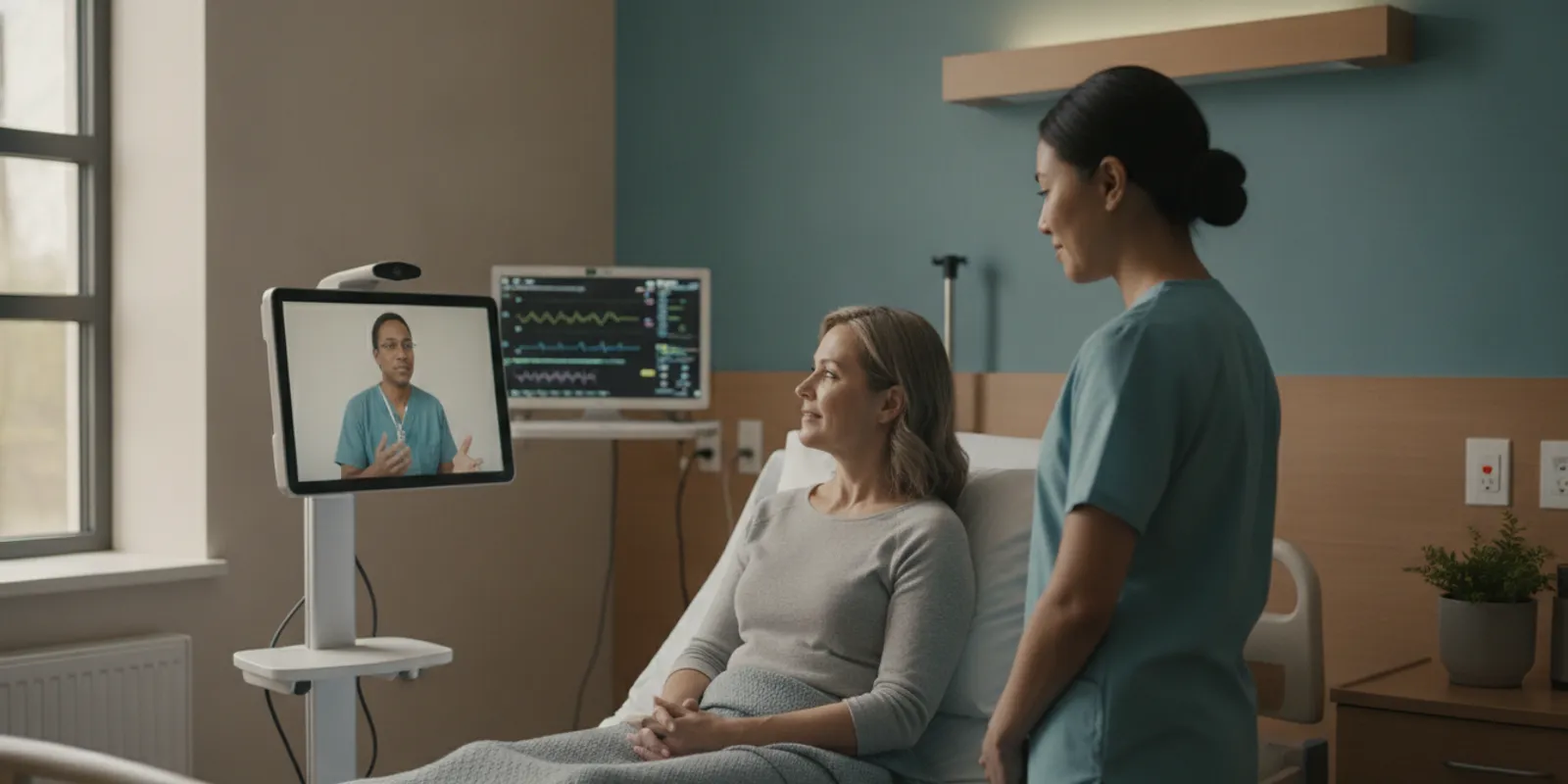
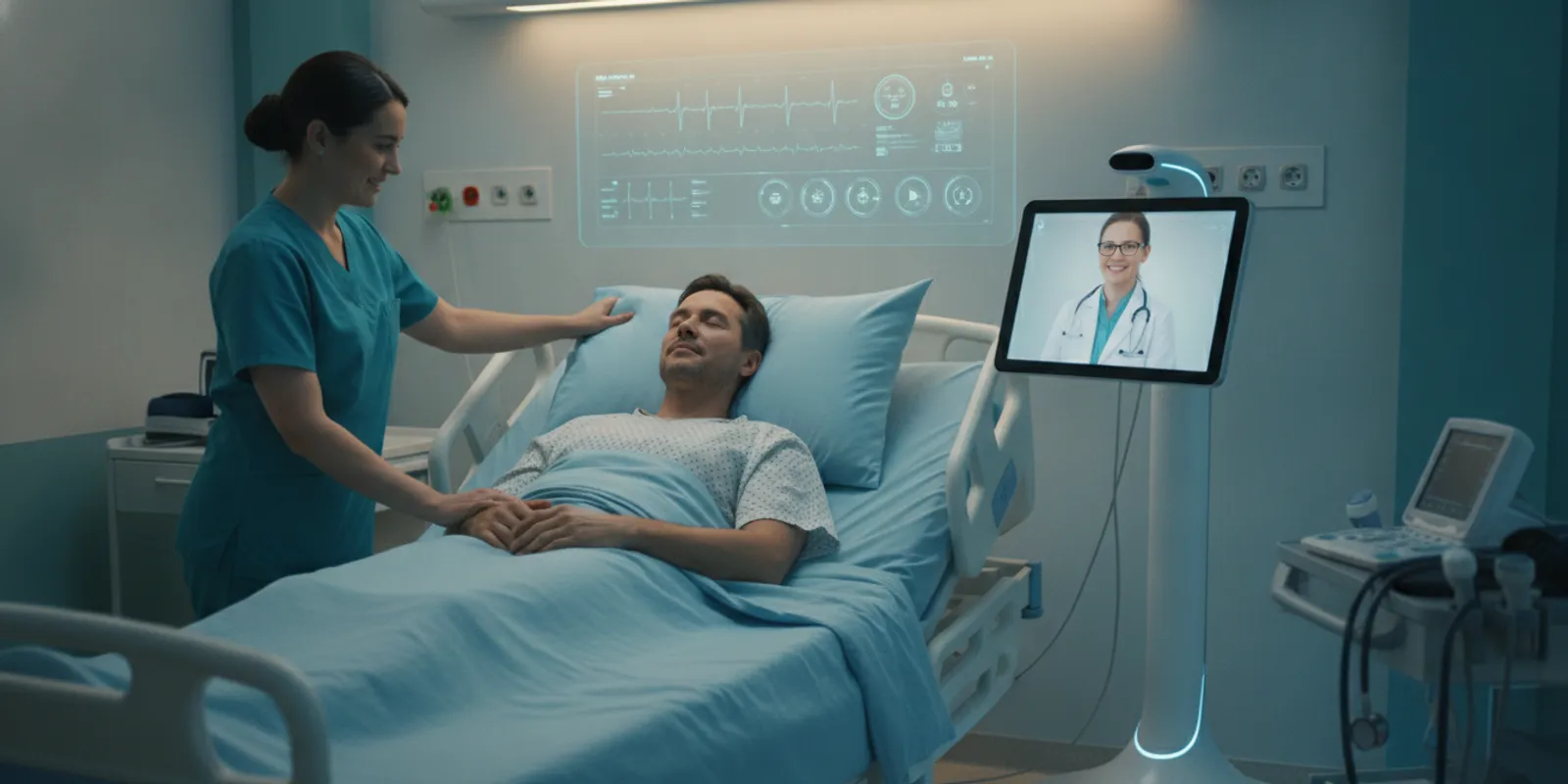
That scope also helps the organization distinguish a true clinical encounter from a video call. A screen may enable conversation, while a broader setup can also bring the remote clinician into the clinical environment, support examination activities, and connect relevant device information. Compare each option against the actual work clinicians need to perform. Dr. Temi describes its platform as autonomous robotic telepresence for clinical encounters; an evaluation should still verify that any capabilities match the unit's clinical and technical requirements.
Translate the use case into a small number of observable tasks. For instance, a remote intensivist may need to join a bedside discussion, review selected monitor information, guide a local clinician through parts of an examination, and communicate a plan. Specify which participants initiate each task, what information must be available, and how the encounter ends. This makes a product demonstration easier to assess: the team can judge whether the workflow is supported rather than relying on a list of features.
It is also useful to separate the immediate objective from longer-term ambitions. A first deployment might focus on consultations in one unit during defined hours. Additional specialties, locations, or use cases can be considered after the organization has reviewed the initial workflow. Keeping the first scope explicit helps avoid promising coverage or functionality that has not yet been staffed, tested, or approved.
How should leaders evaluate bedside examination support?
Remote participation has practical limits. Clinicians need a clear view and reliable conversation, but they may also need relevant examination tools and help from someone at the bedside. Map the examination steps the care team expects to perform remotely, then clarify which steps are supported by the platform, which require a bedside staff member, and which cannot be completed remotely.
- Visual assessment: Can the clinician see the patient and relevant surroundings clearly? Can staff position the camera or display safely without obstructing care?
- Audio: Can participants hear one another in the unit's real environment? Consider alarms, protective equipment, room layout, and the need for private or sensitive conversations.
- Examination tools: Which devices or accessories are available, who handles them, and how does the remote clinician guide their use?
- Bedside assistance: Which staff member is expected to help with positioning, measurements, or examination devices? Define this in the workflow rather than assuming the technology performs these tasks on its own.
- Documentation: How will findings, decisions, and follow-up actions enter the appropriate clinical record?
These questions help reveal whether a proposed system supports the encounter the unit needs or only the conversation portion. Dr. Temi's stated capabilities include ICU-grade vital-sign support and remote clinical examination support with connected medical devices. That description is a starting point for a product review, not a substitute for confirming specific device compatibility, examination needs, or clinical protocols at each site. Read more about the company's approach to autonomous clinical care and validate relevant details directly with the team.
Test the physical steps in a representative room. Invite the bedside roles expected to participate and have them position equipment, begin a session, communicate with the remote clinician, and complete the encounter. Notice whether the screen remains visible from the intended working positions, whether speech can be understood, and whether the equipment competes with existing devices or impedes movement. A mock encounter can surface small but important questions, such as who adjusts a view when staff are occupied and where equipment is stored between uses.
For each examination component, document a clear responsibility: remote clinician, bedside clinician, assisting staff member, or not supported by the remote workflow. This simple division prevents assumptions from becoming operating policy. It also gives clinical governance and training teams a practical basis for defining limits, competency needs, and when an in-person assessment is required.
Which connected vital signs and data should be available?
Connected devices can make information available to remote participants, but organizations should establish what data is needed, how it is collected, and how the care team interprets it. Begin with the unit's use case and existing standards. Do not assume that every monitor or device will connect to every telemedicine platform.
During evaluation, ask vendors to demonstrate the proposed configuration using the devices and workflows the organization expects to use. Verify compatibility, data visibility, update behavior, and what happens if a connection is interrupted. Establish who confirms a reading, where it is documented, and how discrepancies between a device display and the clinical record are addressed. The remote platform should support clinical work; it should not be presented as making independent clinical judgments.
Use the following checklist to make discussions concrete:
- List the measurements and examination information required for the intended encounter.
- Identify the device models and connection methods that must be tested.
- Confirm how values and timestamps appear to remote and bedside participants.
- Decide how staff will handle missing, delayed, or inconsistent data.
- Document whether information transfers to the electronic health record or must be entered through another approved workflow.
Also separate connectivity from integration. Seeing information during a session does not necessarily mean the data is written to the medical record. If EHR documentation is in scope, confirm the supported systems, data fields, user permissions, and operational process. Dr. Temi lists EHR integration through its Clinii partnership; health systems should verify the fit with their own systems and requirements before deployment.
A practical test should include both the expected path and a failure path. Ask a remote participant to locate the agreed information and explain what they see. Then simulate a device that is unavailable, a delayed update, or a dropped connection. Confirm whether the interface makes the interruption apparent, who notices it, and what the participant should do next. If the team cannot tell whether information is current, the workflow needs a defined verification step before staff rely on it.
Finally, agree on a common vocabulary for data and responsibility. Teams should know which display is the source for a value, who verifies it, whether it is manually entered, and how corrections are handled. These details can be recorded in a workflow map or evaluation checklist and reviewed by clinical informatics, biomedical engineering, IT, and the clinical leaders responsible for the unit.
How should multidisciplinary participation work?
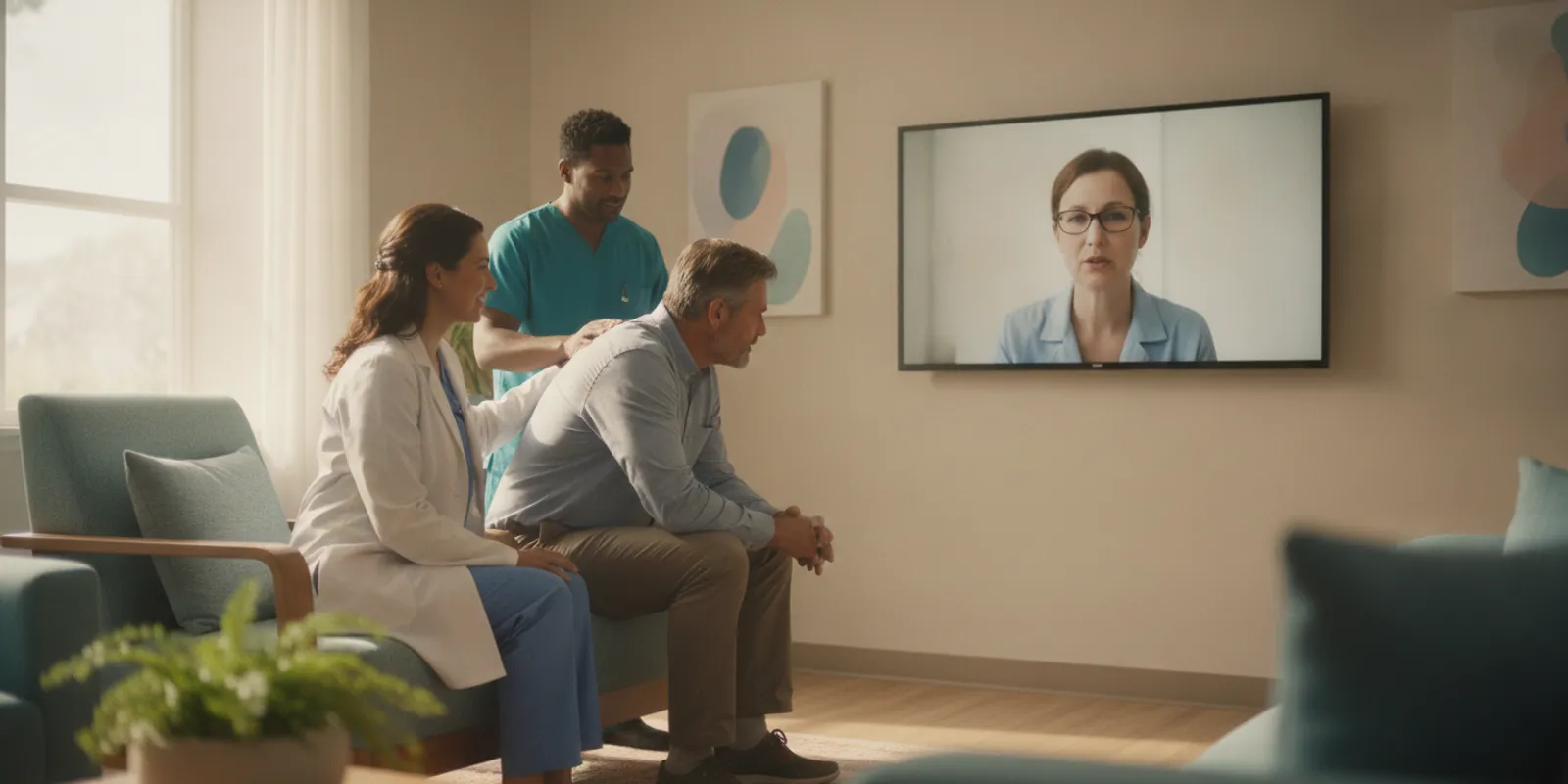
Intensive care involves coordinated work among local and remote clinicians and bedside staff. Decide who may join a session, how their roles are identified, and how the team reaches a shared understanding of the plan. Consider whether the remote clinician needs to consult with a local intensivist, nurse, respiratory therapist, pharmacist, specialist, or other participant for the encounter in scope.
Evaluate the technology and the meeting process together. For example, can participants hear each other without repeated interruptions? Is it clear who is speaking and who is responsible for next steps? Can the remote clinician and bedside team review the relevant observations at the same time? Dr. Temi's platform supports sessions with up to 30 participants, but the useful participant count depends on the clinical purpose and how the team conducts the encounter.
Research and professional discussion of tele-ICU programs emphasize that implementation is shaped by the people and context involved, not just the communication link. A review of telemedicine in critical care provides context on how these models are used in intensive care settings (NIH: Telemedicine in critical care). A nursing-focused article examining lived experiences also underscores the importance of understanding how tele-ICU practice affects care teams (American Journal of Critical Care: Lived experiences of telemedicine ICU care). Use such literature as background, then test the workflow with the people who will use it locally.
Make turn-taking and role clarity part of the session design. A short opening routine can identify the remote clinician, bedside lead, and other participants, state the purpose of the discussion, and confirm who will document decisions. At the close, the lead can restate the agreed actions and invite participants to correct misunderstandings. This is particularly useful when someone joins late or when several disciplines contribute information at different points.
Consider how family members or other authorized participants fit the intended model, if applicable. Define how they are invited, who confirms permission under local policy, and how the team handles sensitive topics. The technology should not be treated as a substitute for local consent, privacy, or communication procedures. Test the planned participation pattern with realistic room acoustics and staffing, not just a quiet conference room.
What escalation and coverage rules should be defined?
Before launch, specify how a remote encounter connects with the unit's existing chain of responsibility. The model should make clear who is available, when they are available, how the bedside team requests input, and what happens when the remote clinician cannot respond or a situation changes quickly.
Write down the escalation steps in a way staff can follow during a busy shift:
- Request: Identify who initiates the telemedicine encounter and what information they provide.
- Connection: Define the expected response process and the fallback if the connection or equipment is unavailable.
- Assessment: Clarify what the remote clinician can assess and what requires an in-person clinician or another local resource.
- Decision and handoff: State who communicates the plan, who carries it out, and how responsibilities transfer between participants.
- Urgent change: Keep the unit's established emergency response and escalation processes in force. Telemedicine must not delay local action.
- Record: Specify how the encounter, recommendations, and follow-up are documented according to organizational policy.
Coverage details matter as much as the platform. Establish whether support is scheduled or on demand, whether coverage is continuous or limited to certain hours, and how availability is communicated to each unit. Avoid implying that access is immediate unless the service's actual operating model supports that expectation. Dr. Temi states that its platform can enable bedside physician access in under five minutes, 24 hours a day; a health system should confirm the service configuration and responsibilities that apply to its proposed deployment.
Walk through scenarios before writing a policy. What happens if a request is made during a shift change? What if the remote clinician is unavailable, the device is being cleaned, the network is down, or the bedside team decides that an in-person assessment is needed? Identify an owner and an alternate path for each situation. The point is not to create a new emergency pathway, but to make sure remote participation fits inside the facility's existing one.
Define response expectations in operational terms that staff can understand. A service may have a target connection time, but teams also need to know what to do while waiting and when to use an alternative channel. Include contact methods, support ownership, and the person responsible for notifying the team about a planned outage. Review these instructions in orientation and make them easy to find in the unit's approved procedures.
How do tele-ICU options compare?
Different approaches can address different needs. Compare them against the encounter, clinical roles, and local constraints rather than assuming one model fits every unit. The table below is a planning aid; actual capabilities vary by program and configuration.
| Approach | What it may support | Questions to verify |
|---|---|---|
| Video consultation using fixed equipment | Remote conversation and visual review from a set location. | Can staff bring the patient or required information into view? What examination tools and device data are available? |
| Remote monitoring or command-center model | Remote clinical observation or coordination across participating units, depending on the program. | Who monitors, what information is visible, when do staff receive an alert, and who owns the response? |
| Mobile telepresence equipment | Remote communication at different locations when a person positions or moves the equipment. | Who transports and sets it up? Does the process fit the unit's staffing and infection-prevention procedures? |
| Autonomous robotic telepresence | A connected platform that can navigate to a bedside and support remote participation, subject to the system's capabilities and local workflow. | How is navigation managed, what devices and examination tools are supported, and what staff assistance remains necessary? |
For any option, include privacy, access controls, network reliability, cleaning, storage, maintenance, training, and downtime procedures in the comparison. Ask for a demonstration that reflects a real unit workflow rather than a staged, ideal connection. Health systems evaluating rural or critical-access settings may also review the separate Rural Healthcare Access Program, while assessing program eligibility and financial terms independently.
Score the options against the same use-case criteria. A simple evaluation sheet might rate whether the model supports bedside access, required examination tasks, device visibility, role clarity, fallback procedures, and documentation. Use a defined scale such as meets, partly meets, or does not meet, and record any assumptions behind each rating. This helps the committee distinguish a genuine capability gap from a configuration question that still needs testing.
Also compare the work required outside the live session. Fixed equipment may require staff to bring the interaction to a particular location; mobile equipment may require someone to position it; autonomous equipment may change that movement step but still requires local processes for readiness, cleaning, and support. The right comparison is not just what happens on screen. It is the full sequence from request through use, handoff, and return to readiness.
How should a health system prepare staff and workflows?
Technology adoption requires clear operating procedures and training. Involve bedside nurses, physicians, clinical informatics, IT, biomedical engineering, security, and operational leaders early. Their input can reveal practical issues that a vendor demonstration may not show, such as competing equipment in the room, account provisioning, network dead zones, or how calls fit into shift routines.
Before a pilot, define the following:
- Ownership: Name the operational owner and clinical leads for the program.
- Access: Determine who can initiate or join sessions and how credentials are managed.
- Training: Prepare role-based instructions for remote clinicians and bedside staff, including device handling and downtime steps.
- Privacy and security: Review the organization's requirements for access, data handling, and communication. Confirm the vendor's supported safeguards and document the local review.
- Facilities and IT: Test connectivity and equipment placement in actual care areas, and plan for charging, cleaning, maintenance, and support.
- Clinical governance: Approve the intended use, documentation expectations, escalation rules, and review process through the organization's established channels.
Use a limited pilot with defined entry and exit criteria when appropriate. Collect feedback from the people performing the work, address workflow problems, and revise the process before expanding. A published study protocol on telemedicine in intensive care units can be useful background when considering how such programs are evaluated, but each organization should select measures that fit its own aims (JMIR Research Protocols: Telemedicine in Intensive Care Units).
Plan the pilot as a sequence rather than a single launch date. First, confirm the equipment, network, and account setup in the actual clinical area. Next, train each role using the steps they will perform. Then run a simulation with a normal encounter and at least one failure condition. Only after those checks should leaders decide whether to begin the intended clinical use, consistent with local approvals and policy.
Give staff a straightforward way to report friction. Ask what interrupted the encounter, which instructions were unclear, whether roles were understood, and what workarounds emerged. Review feedback with the people who can resolve the issue, whether it involves a device setting, a training gap, network support, or a policy question. Avoid treating low use as proof that the model is unnecessary until the team has checked whether access, awareness, and workflow barriers affected participation.
For Dr. Temi-specific information about the company's approach and platform, health systems can start with its overview of autonomous clinical care and bring their ICU requirements to a product discussion. Product descriptions should be checked against the proposed setup, local policies, and the precise capabilities required for the intended unit.
What should leaders measure after launch?
Choose measures that reflect the original purpose of the program. A useful review may include whether planned sessions connected, how often equipment or network issues interrupted encounters, how staff experienced the workflow, and whether documentation and handoffs were completed as intended. For access-focused programs, consider tracking request-to-connection time using a clearly defined method. For operations, review training completion, support requests, and downtime.
Interpret measures with context. A connection time alone does not show whether the encounter met the clinical need, and a favorable user comment does not establish a clinical outcome. Review findings with clinical, operational, and technical stakeholders. Use the results to adjust coverage, training, or workflows, and avoid attributing changes in patient outcomes to telemedicine without an appropriate evaluation.
Leaders can also compare the selected model with the organization's broader clinical telepresence and connected-care requirements. The goal is not to add a technology layer for its own sake. It is to determine whether a defined model supports appropriate remote participation while preserving local clinical roles and established processes.
Before the pilot, write down how each measure will be defined, who will collect it, and when the team will review it. For example, define whether a connection is counted from request to a participant joining, or from request to the start of a clinical discussion. Decide how cancelled sessions, repeat attempts, and downtime are recorded. Consistent definitions make comparisons more useful and reduce the risk of drawing conclusions from incomplete information.
Pair operational measures with qualitative review. A short debrief can ask the remote clinician and bedside participants whether the purpose was clear, whether the right people joined, and whether the handoff was understood. Check for unintended workload, duplicate documentation, or reliance on informal workarounds. If the program changes scope, coverage, or equipment, revisit the measures so they still reflect the goals leaders are trying to assess.
Frequently asked questions
Does ICU telemedicine replace bedside clinicians?
No. It enables remote participation. Local clinicians and staff continue to provide bedside care, assist with relevant examination activities, and follow the organization's clinical and emergency procedures.
What is the difference between a video call and bedside telepresence?
A video call connects participants for conversation. Bedside telepresence can add a way for a remote clinician to participate from the patient's location, and some systems support connected medical devices or examination tools. Capabilities differ, so evaluate the exact equipment and workflow.
Can connected devices make clinical decisions?
Connected devices can provide information for clinicians to review. They do not remove the need for professional interpretation, local protocols, and clinical judgment. Confirm how information is displayed, documented, and handled when a connection fails.
What should be included in a tele-ICU pilot?
Define the use case, participants, coverage, device configuration, escalation steps, training, support, and review measures. Test the workflow in the intended environment and gather feedback from both remote clinicians and bedside staff.
For an additional overview of Dr. Temi's background and model, visit the company's approach to autonomous clinical care. Use that information alongside a local clinical and technical review rather than as a substitute for one.
A careful evaluation connects clinical purpose, bedside roles, device support, and escalation into one workable model. Health systems that define those requirements first can assess telemedicine options with clearer expectations and a stronger basis for a safe, useful implementation.